Pruning fruit trees: when and how to do it correctly
February 19, 2025 at 4:37 pm,
No comments
Pruning fruit trees is one of the most important garden jobs. Correct pruning supports tree health, a good harvest and a well-shaped crown. It removes weak, diseased and overly dense branches, improves light and allows air to circulate.
When should fruit trees be pruned?
Pruning is usually done in early spring or late autumn, depending on the species and its growth.
- Spring pruning: February-April, before active sap flow, when temperatures are above -5°C.
- Summer pruning: June-August, for light pruning, removing water shoots and regulating fruiting.
- Autumn pruning: October-November, mainly on older or diseased trees to remove dry and diseased branches before winter.
How to prune fruit trees
- Remove dry, diseased and damaged branches.
- Thin a dense crown, leaving strong branches growing outward.
- Guide the growth direction and remove crossing or overly upright branches.
- Shorten long main branches so the tree can direct energy to fruit formation.
Tools and care
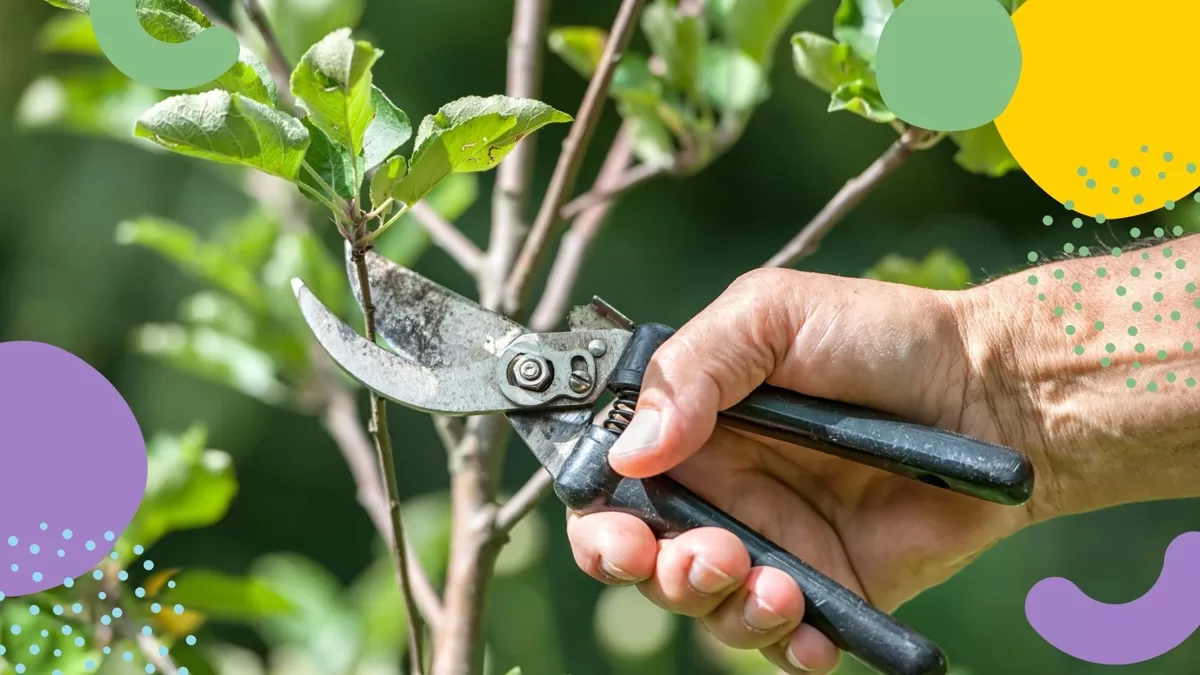
Use sharp, clean tools: secateurs for branches up to 2 cm, garden shears for thicker shoots, a saw for large branches and wound balm for large cuts. Clean and disinfect tools after pruning.
Why is correct pruning important?
- It supports a larger, better-quality harvest.
- It improves fruit size, taste and appearance.
- It helps prevent disease and pest spread.
- It extends the life of the tree and keeps it attractive.
If you are unsure how to prune, consult a specialist. A well-maintained garden rewards you with a good harvest.