How to prepare seedlings for winter: practical tips
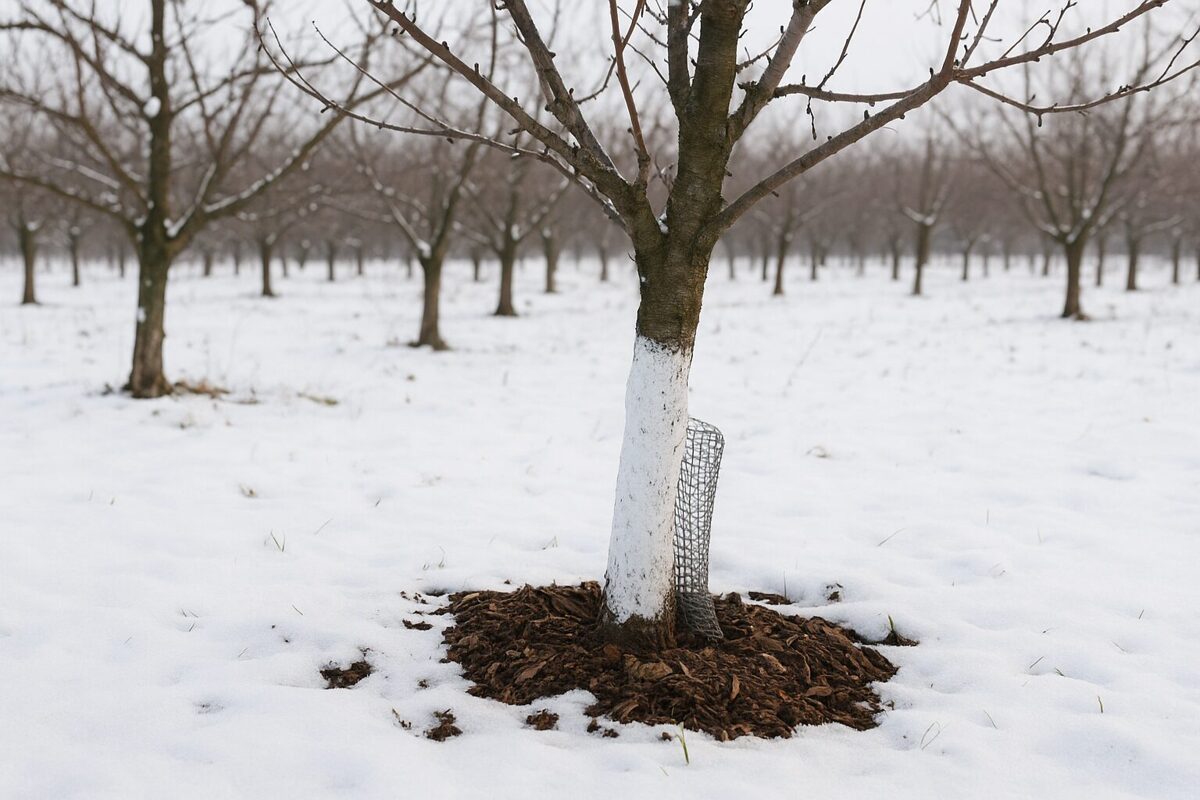 How to prepare seedlings for winter: tips from Rojaus medelynas
Autumn is a busy time for gardeners. Proper preparation determines whether seedlings will leaf out in spring and whether their roots and trunks will be protected from cold and drying.
1. When should preparation begin?
Prepare seedlings in late autumn, after the leaves have fallen but while the soil is still unfrozen, usually from mid-October to early November depending on the region.
2. Protect the roots
- Mulching: spread a 5-10 cm layer of peat, sawdust, compost or bark around the seedling.
- Protection mound: for very young plants, mound soil or compost around the trunk to cover the root collar.
3. Protect trunks and shoots
- Wrap young trunks with protective tape, spruce branches or reed mats to prevent cracks and sun damage.
- Use plastic or metal mesh if hares or deer visit the garden.
4. Water before winter
Water seedlings thoroughly before the soil freezes. This is especially important in sandy soils, where moisture is lost quickly.
5. Group and cover unplanted seedlings
Heel unplanted seedlings into a trench at a 45° angle and cover the roots with soil. Add spruce branches, but do not seal them hermetically because roots need air circulation.
6. The benefit of snow
Snow is a natural insulator. If possible, mound snow around seedlings to protect roots and trunks from temperature changes.
7. Prepare for spring
Remove protection in time so trunks do not overheat or become mouldy, replace mouldy mulch and provide the first fertilisation to help the plants recover.
Summary
Preparing seedlings for winter is an investment in their health and future harvest. A little autumn work helps young plants survive the cold and start spring strong.